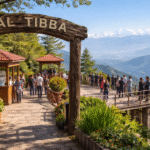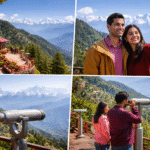
When it comes to visiting Lal Tibba Scenic Point, timing isn’t just important it’s everything.
You could visit Lal Tibba on two different days and walk away with completely different experiences. One day might reward you with crystal-clear views of the Himalayas, while another might leave you staring at clouds.
That’s why understanding the best time to visit Lal Tibba is crucial if you want to experience its true beauty.
In this guide, we’ll cover:
- Best time of day (morning vs sunset)
- Seasonal breakdown
- When to avoid visiting
- Practical travel tips
Let’s help you plan it perfectly.
Why Timing Matters at Lal Tibba
Unlike amusement parks or activity-based destinations, Lal Tibba is all about visibility and atmosphere.
Your experience depends on:
- Weather conditions
- Light quality
- Crowd levels
Even a slight change in timing can completely affect what you see.
Best Time of Day to Visit Lal Tibba
Let’s break this down clearly.
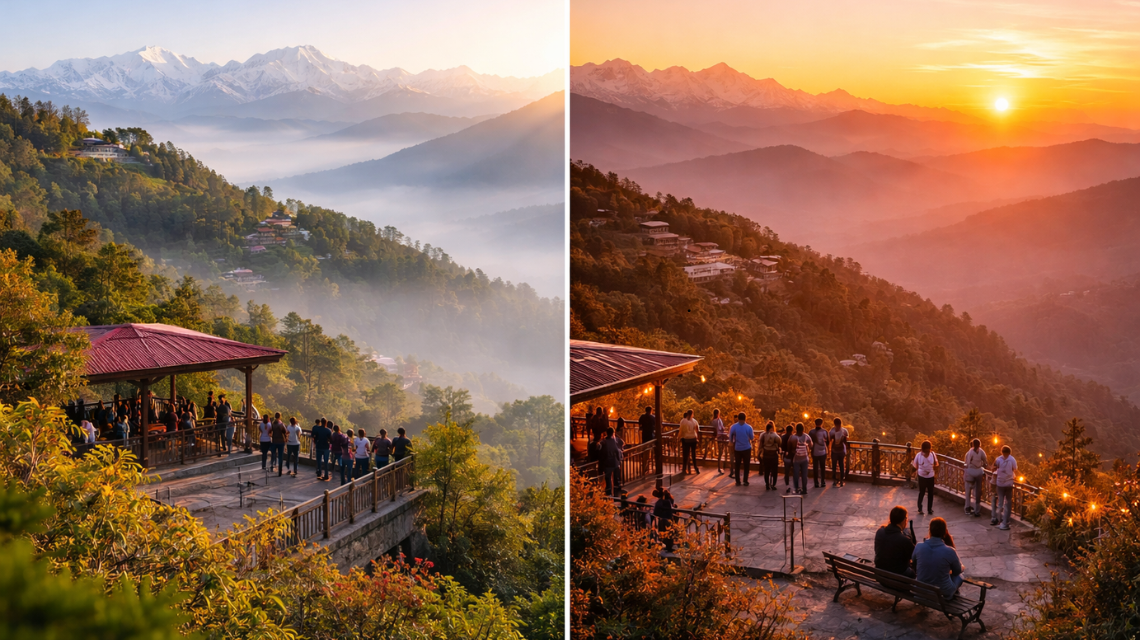
Early Morning (6:00 AM – 9:00 AM) — The Best Time
If you want the perfect Lal Tibba experience, early morning is unbeatable.
Why Morning is the Best
1. Crystal Clear Views
- The air is fresh and clean
- No haze or pollution
- Maximum visibility of Himalayan peaks
2. Peaceful Environment
- Almost no crowd
- Calm and quiet surroundings
- Ideal for relaxation
3. Best for Photography
- Soft natural light
- Sharp mountain visibility
- Perfect landscape shots
4. Fresh Weather
- Cool breeze
- Comfortable temperature
- Ideal for walking
If you’re planning a scenic morning, you can also explore Camel Back Road Mussoorie after your visit.
Sunset (4:30 PM – 6:30 PM) — A Beautiful Alternative
If waking up early isn’t your thing, sunset is the next best option.
Why Sunset is Special
1. Golden Hour Views
- Warm light on mountains
- Dramatic sky colors
- Stunning visuals
2. Romantic Vibe
Perfect for:
- Couples
- Leisure travelers
3. Comfortable Weather
- Pleasant temperatures
- Relaxed atmosphere
Combine sunset with visits to Gun Hill Point Mussoorie or Christ Church Mussoorie during the day.
Afternoon (11:00 AM – 3:00 PM) — Not Recommended
This is the most common mistake tourists make.
Why to Avoid Afternoon
- Haze reduces visibility
- Harsh sunlight
- Increased crowd
If you want the real Lal Tibba experience, skip this time slot.
Night — Not Worth It
- No mountain visibility
- Limited lighting
- No major attraction
Best Season to Visit Lal Tibba
Now let’s look at the bigger picture—seasonal impact.
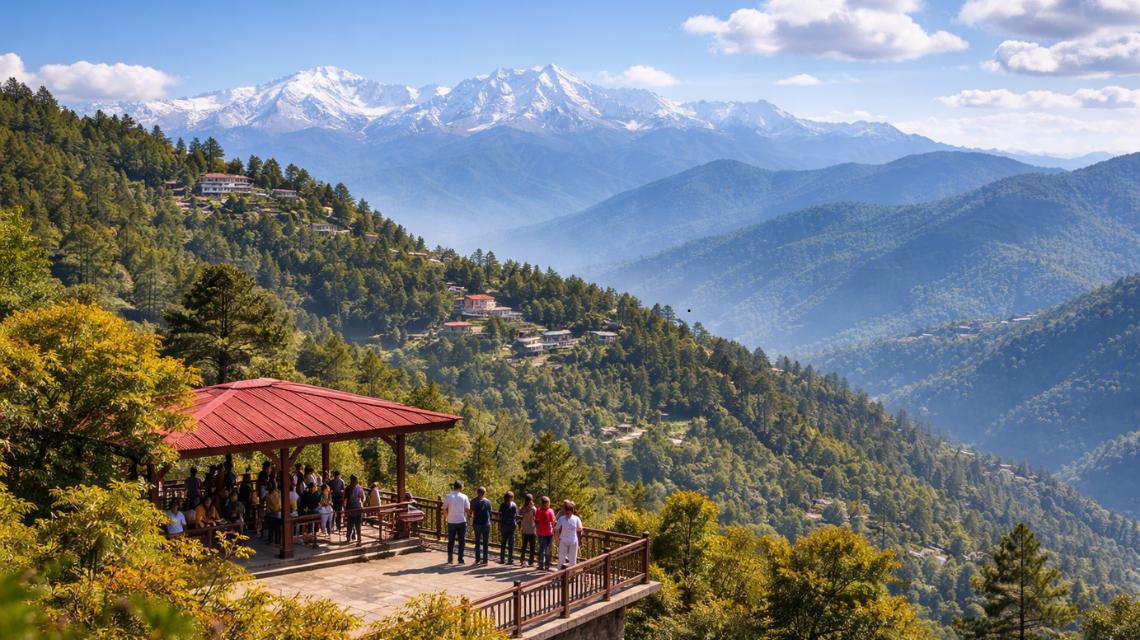
Summer (March – June) — Best Overall
This is the most popular time.
What to Expect
- Clear skies
- Pleasant weather
- Great visibility
Ideal For
- Families
- First-time visitors
- Sightseeing
Combine your visit with Company Garden Mussoorie or Cloud End Mussoorie.
Monsoon (July – September) — Scenic but Risky
What to Expect
- Green landscapes
- Misty atmosphere
Downsides
- Fog blocks views
- Slippery roads
Good for nature lovers, not for mountain visibility.
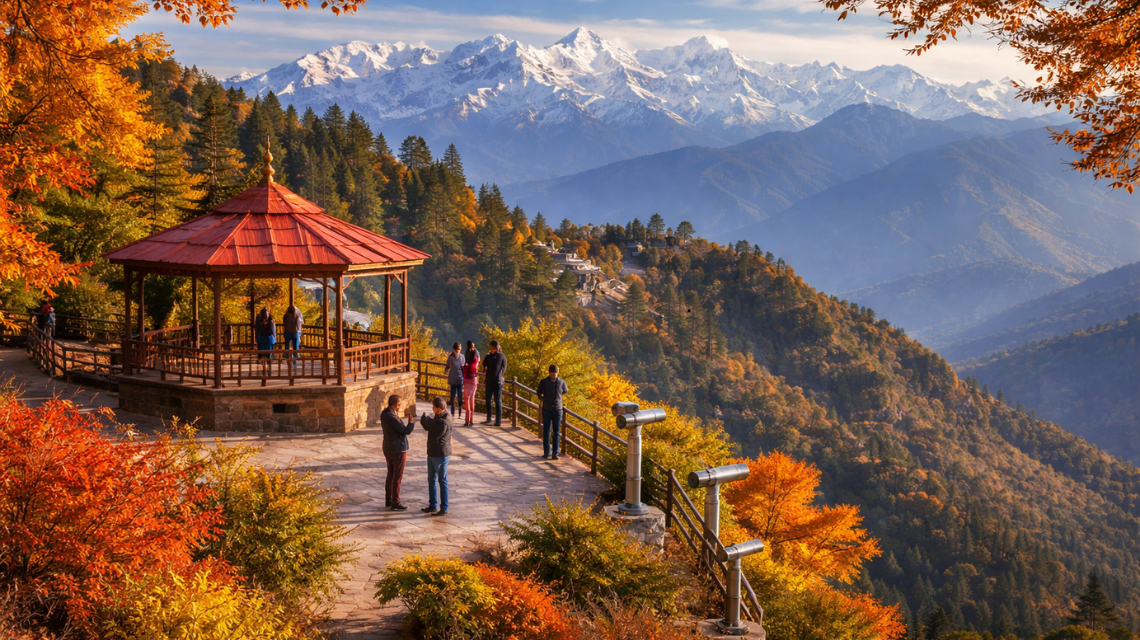
Autumn (October – November) — Underrated Best Time
Why It’s Amazing
- Clear post-monsoon skies
- Crisp air
- Fewer crowds
This is actually one of the best times for photography.
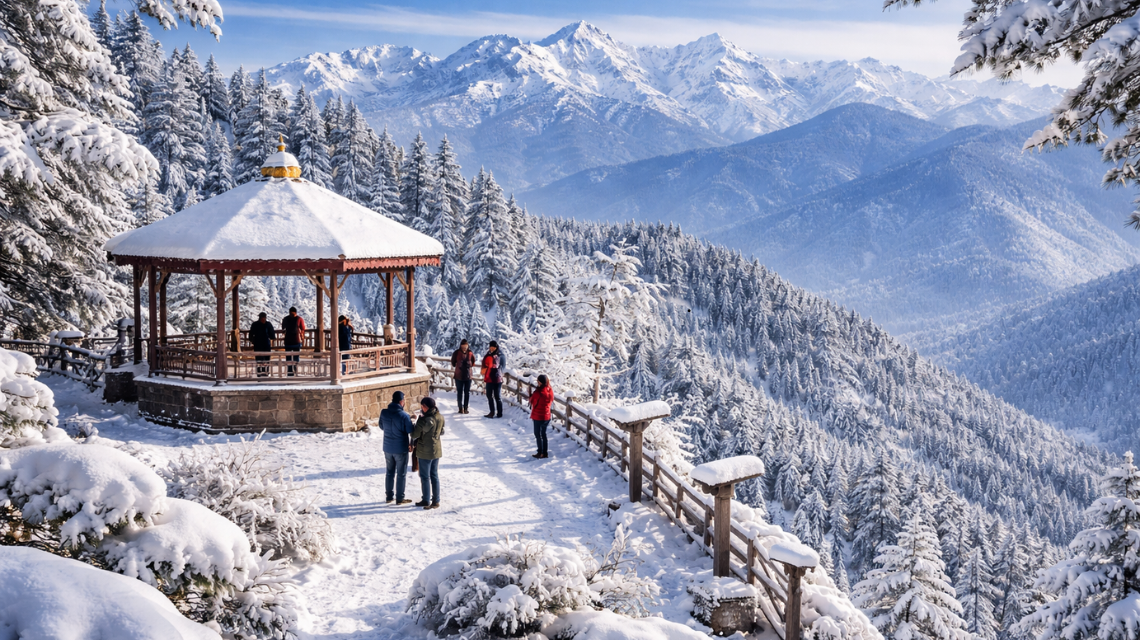
Winter (December – February) — Magical Experience
What to Expect
- Cold weather
- Possible snowfall
- Snow-covered views
Challenges
- Visibility varies
- Very cold temperatures
Best for snow lovers and peaceful travel.
When NOT to Visit Lal Tibba
Avoid visiting when:
- Heavy fog or clouds
- Peak afternoon hours
- Rainy days
Always check weather before planning.
How Timing Affects Your Experience
Let’s simplify it
| Time | Experience |
|---|---|
| Morning | Best clarity |
| Sunset | Best vibe |
| Afternoon | Poor visibility |
| Night | Not useful |
Ideal 1-Day Plan Including Lal Tibba
Here’s a smart itinerary:
Morning
- Visit Lal Tibba early
- Enjoy clear views
Midday
- Explore Christ Church Mussoorie
- Walk on Camel Back Road Mussoorie
Evening
- Visit Gun Hill Point Mussoorie
- Enjoy sunset
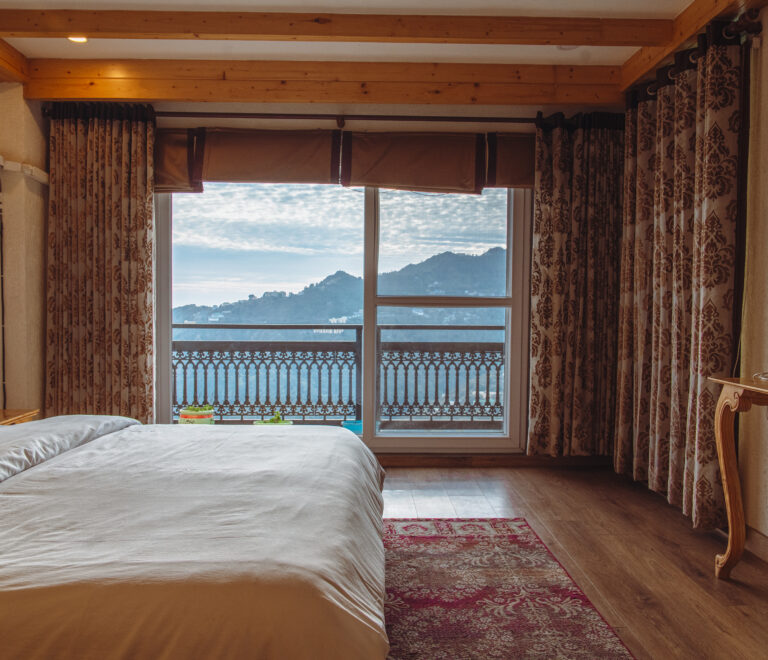
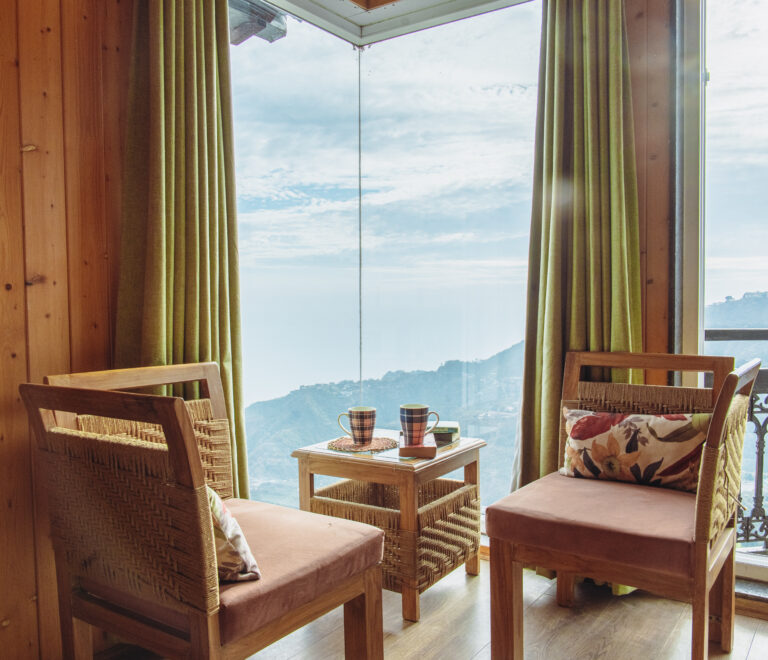
Where to Stay for the Best Timing Advantage
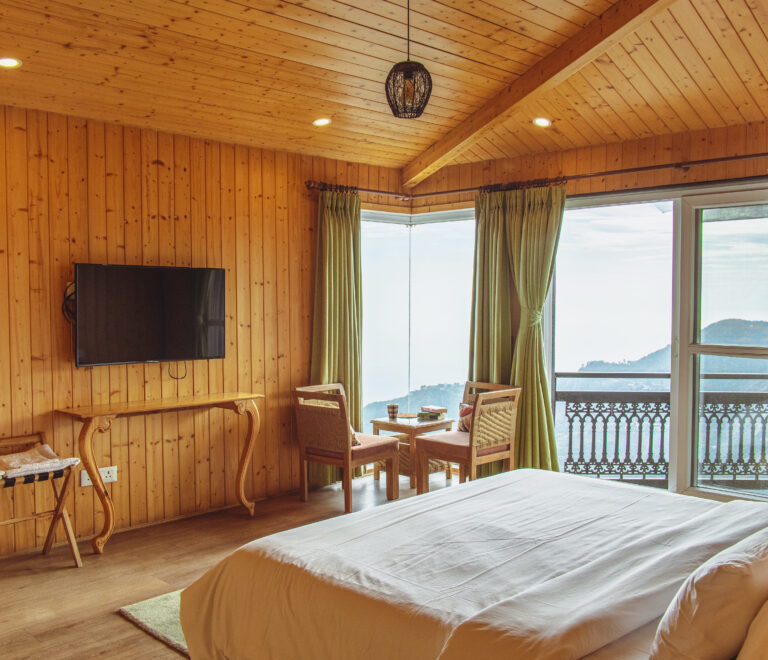
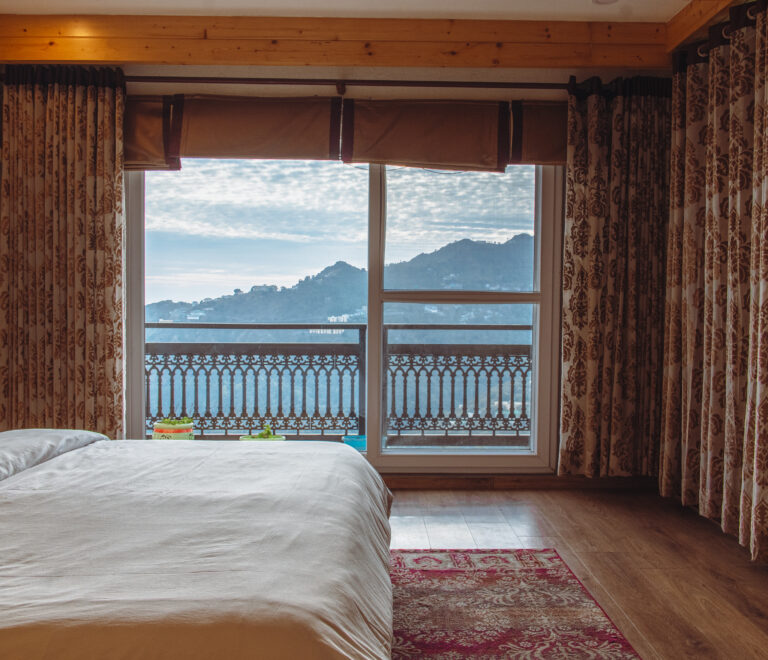
To visit Lal Tibba early, staying nearby helps.
Recommended Options
Why Stay Nearby?
- Easy early morning access
- Less travel stress
- Better experience

Pro Tips for Visiting Lal Tibba
- Reach before 8 AM
- Carry warm clothes
- Wear comfortable shoes
- Use telescope for better view
- Avoid weekends if possible
Final Thoughts
Lal Tibba is not about what you see—it’s about when you see it.
Visit at the right time, and you’ll witness:
- Endless Himalayan views
- Golden sunlight
- Peaceful surroundings
Visit at the wrong time, and you might miss everything.
So plan wisely and Lal Tibba will reward you with an unforgettable experience.
Frequently Askrd Questions
1. What is the best time to visit Lal Tibba?
Early morning (6–9 AM) is the best time for clear views.
2. Is sunset a good time to visit Lal Tibba?
Yes, it offers beautiful lighting and a peaceful atmosphere.
3. Can we visit Lal Tibba in the afternoon?
Yes, but visibility is usually poor due to haze.
4. Which season is best for Lal Tibba?
Summer and autumn offer the best visibility.
5. Is Lal Tibba good in winter?
Yes, especially if you enjoy snow and peaceful surroundings.
6. Is Lal Tibba crowded?
Less crowded compared to other Mussoorie spots.
7. Should I check weather before visiting?
Yes, clear weather is essential for the best experience.